



Find out what is really happening across your document estate
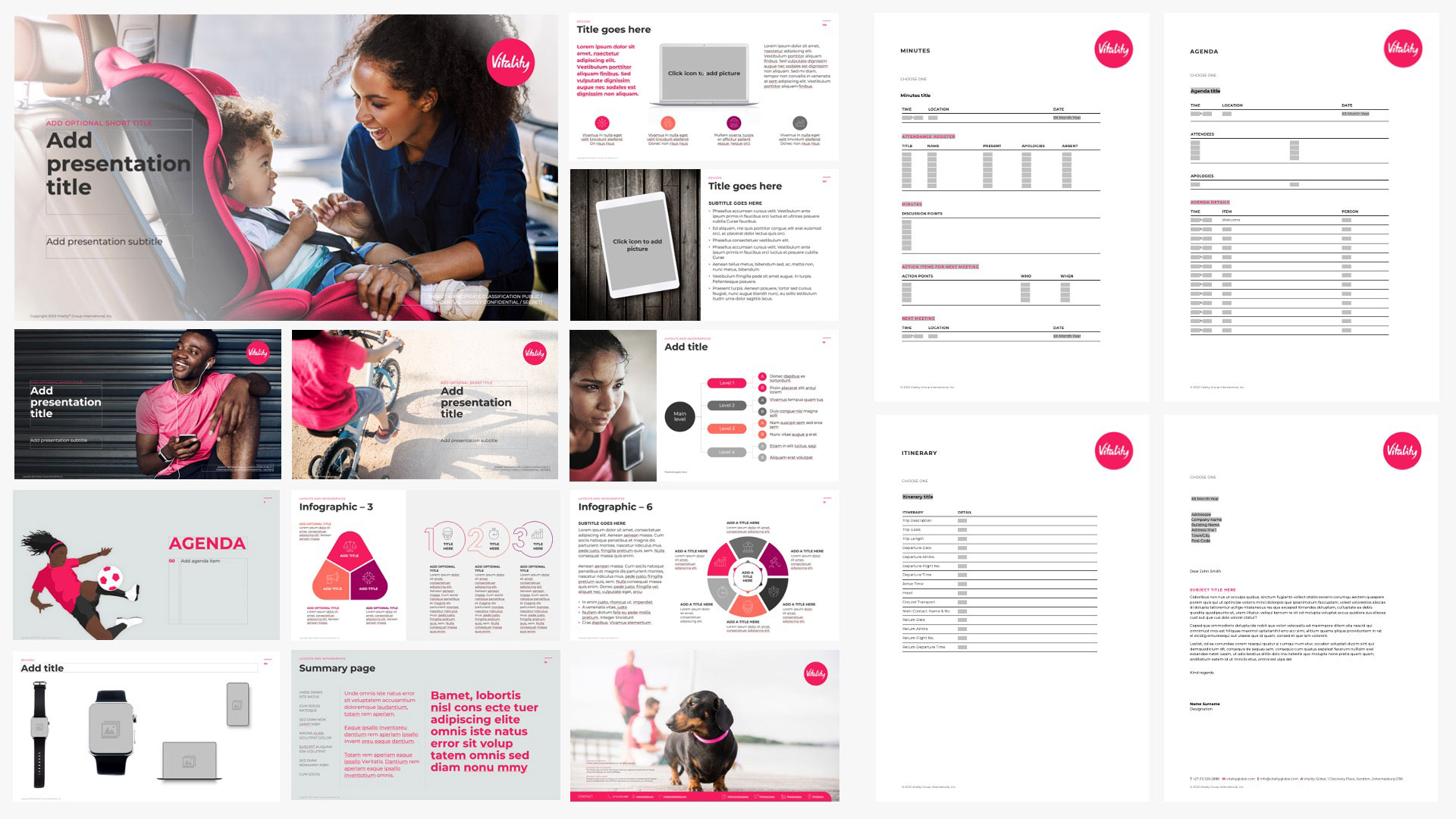
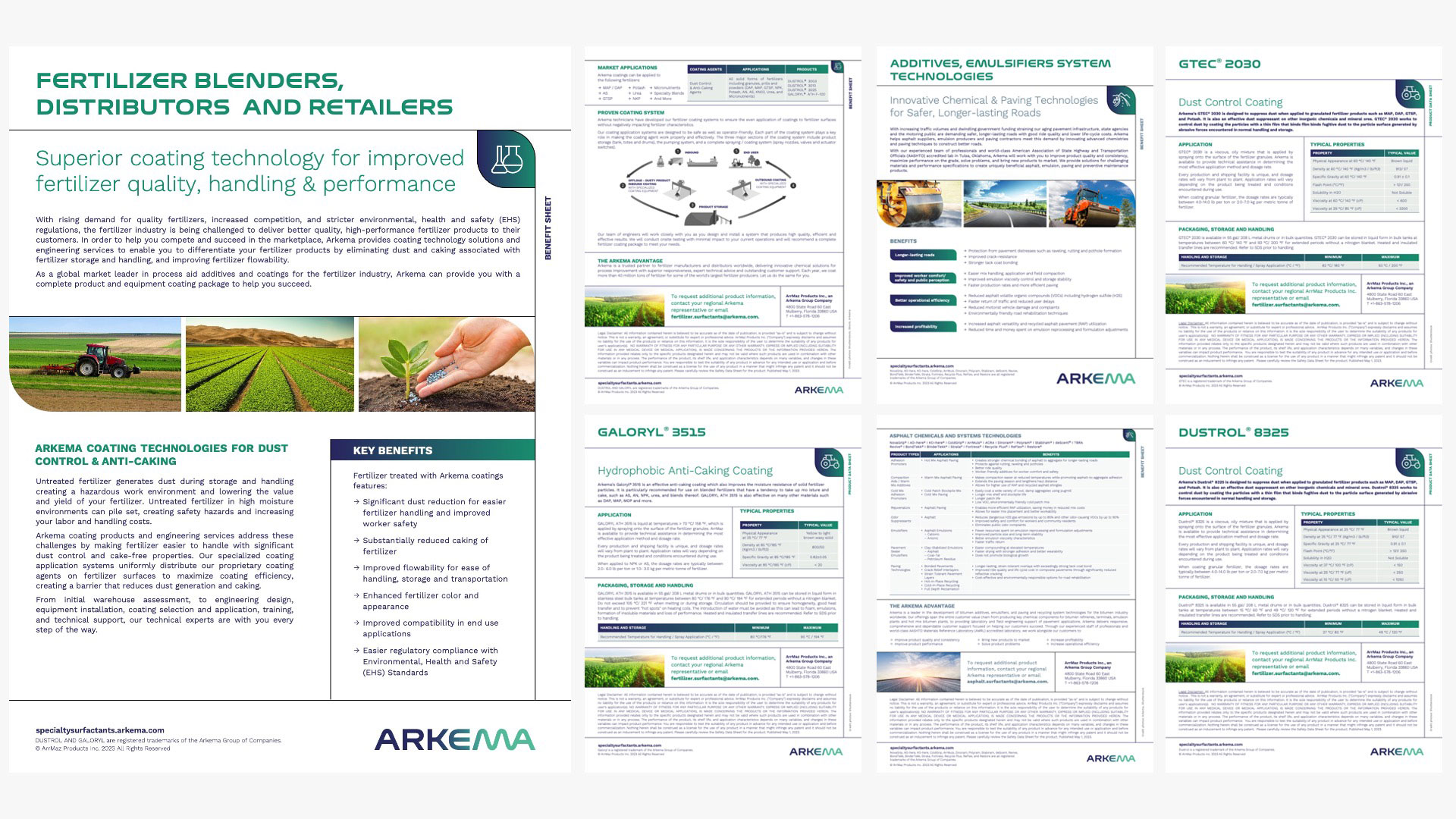
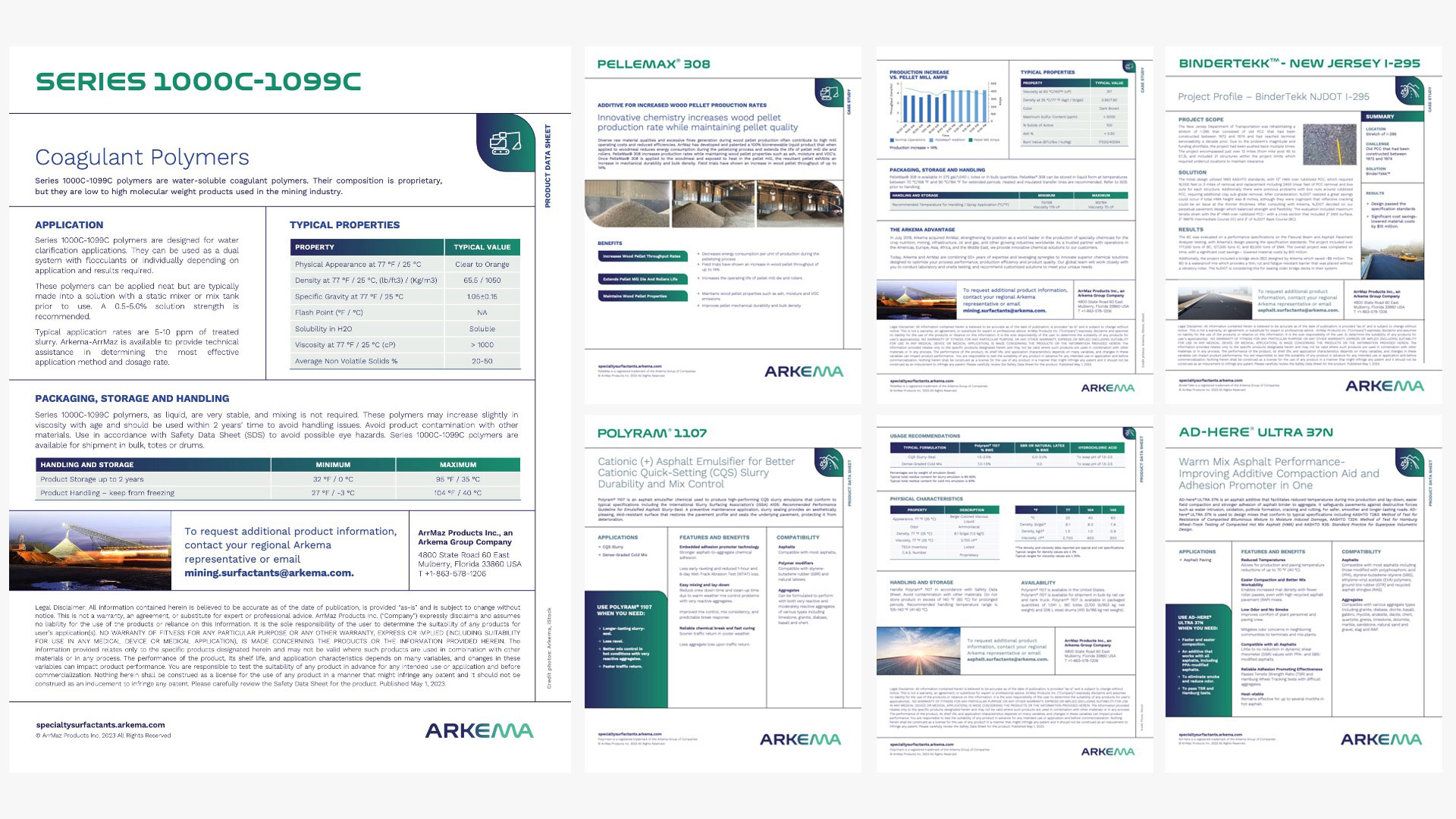
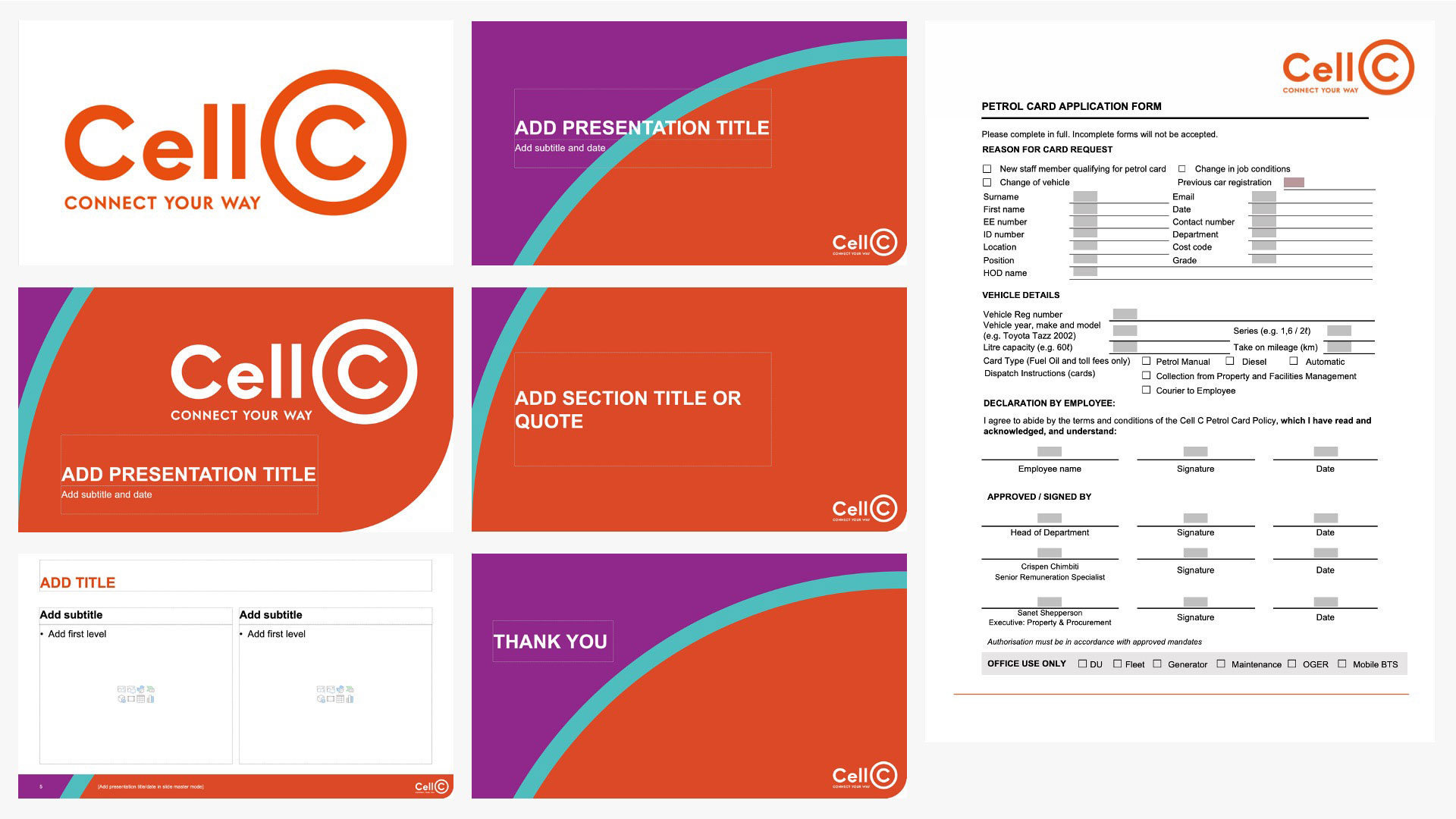
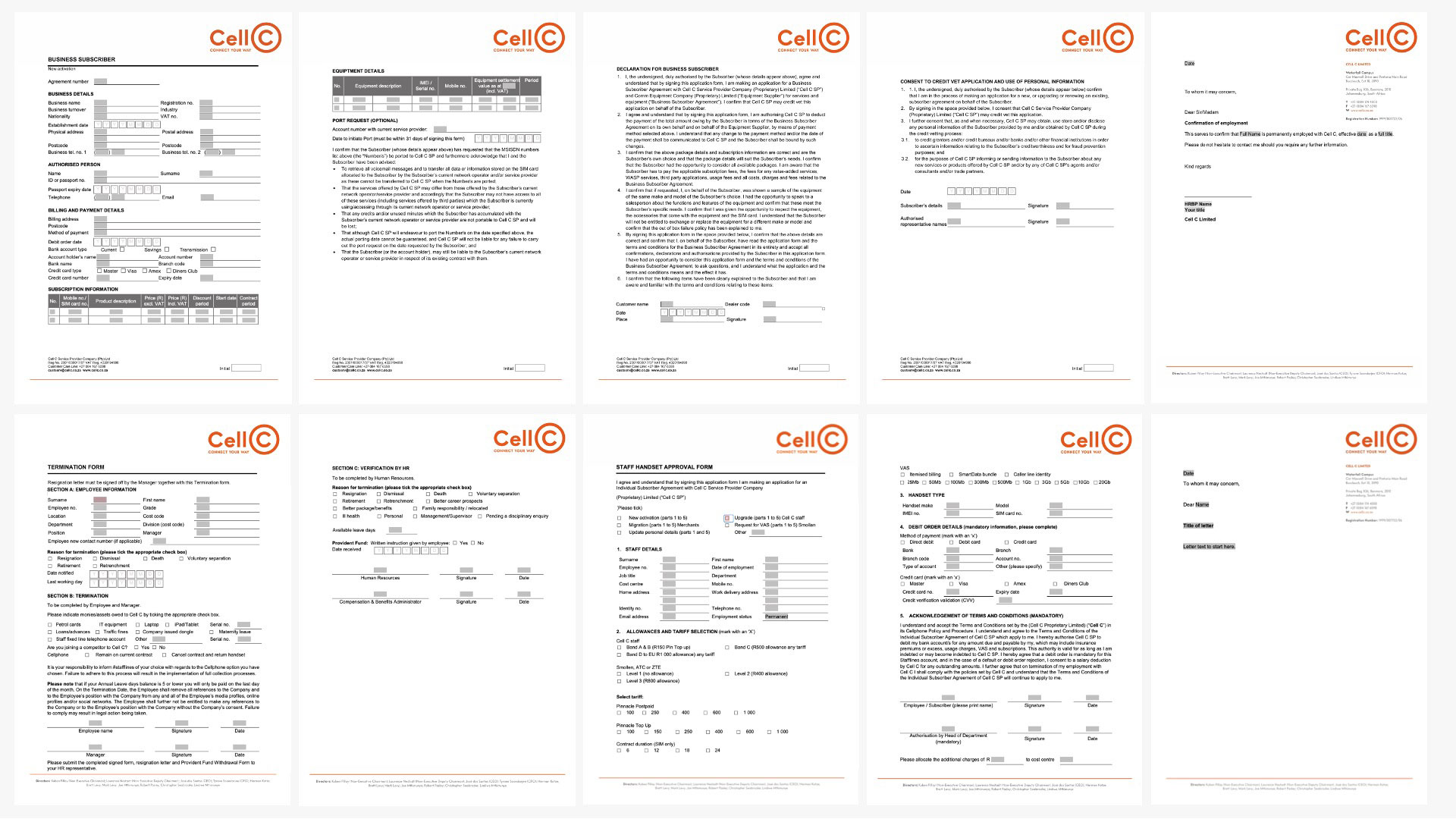
When documents are copied, adapted, reused, and shared across teams, consistency starts to slip. Old branding stays in use, duplicate versions appear, templates are ignored, and no one is quite sure which files are still current.
A document estate audit gives you a clearer picture of what is happening across the files your business relies on every day, so you can see where the real problems are and decide what to fix first.
The problem is rarely one document. It is what happens across hundreds of them.
Most businesses do not struggle because one report looks off brand or one template is out of date. The bigger issue is what happens over time as documents are reused across teams, departments, and years of day to day work.
A proposal is copied from an old version. A report is adapted by a new department. A presentation is rebuilt instead of started from the approved template. A document that should have been retired keeps circulating because it is easier to reuse than replace. Gradually, the document estate becomes harder to control.
That is when the same business starts using different layouts, different styles, different branded elements, and different versions of what should really be the same document type. The result is inconsistency, wasted time, and a growing gap between the standards the business wants and the documents people are actually using.
A document estate audit helps uncover those issues before they become a bigger problem. Instead of working from assumptions, you get a clearer understanding of what is in circulation, what is causing the most friction, and where action will have the greatest value.
What a document estate audit helps uncover
A proper audit gives you a clearer view of what is happening across the documents your teams rely on every day.
Outdated branded files
Older documents often remain in circulation long after templates, layouts, or visual assets have changed. An audit helps identify where outdated materials are still being used.
Weak template adoption
Templates may exist, but that does not always mean they are being used. Teams often fall back on older files, rebuild documents manually, or work around the systems already in place.
Structural issues
Some files may look acceptable on the surface but still be difficult to update, govern, or reuse properly. An audit helps bring those deeper issues into view.
Duplicate document versions
The same type of file may exist in several different forms across the business, with no clear standard in place. This makes consistency harder to maintain and updates harder to manage.
Formatting drift
Manual edits accumulate over time. Documents that once started from a consistent base can slowly drift away from the standards they were meant to follow.
Priority areas for action
Not every document needs attention at once. The audit helps identify which files, teams, or document types should be prioritised first for the strongest practical impact.
We review the documents you rely on most, then show you where standards are breaking down
A document estate audit gives you a clearer view of how your documents are working in practice, not just a list of isolated issues.
We review the files that matter most and identify the problems that tend to weaken consistency over time, such as outdated branding, duplicate versions, poor template use, inconsistent layouts, and unnecessary manual formatting.
The aim is to understand how documents are being created, reused, and adapted across the business, and to show where the biggest risks and opportunities sit.
For some businesses, that means cleaning up legacy documents. For others, it means improving template adoption or preparing for wider standardisation, rebrand rollout, or governance work.
It is a practical first step that helps you see what needs attention and where to focus first.
How it works

Step 1 | Secure document upload
We create a secure SharePoint site where your team can upload the documents, templates, brand guidelines, and supporting files you want included in the review.
Step 2 | Document estate assessment
We assess the uploaded files for inconsistency, duplication, outdated branding, template issues, manual formatting, and signs of drift across the estate.

Step 3 | Audit findings and priorities
You receive a clear summary of what we found, where the main risks sit, and which areas should be prioritised first for the greatest impact.
What you get from the audit
A document estate audit gives you a clearer view of what is happening across the files your teams rely on every day.
You come away with a better understanding of where inconsistency is building, which documents are creating the most risk, and where outdated branding, duplication, or weak template use are causing problems. It also helps identify which areas should be prioritised first, whether that means standardisation, rebrand rollout, template improvement, or wider document governance.
The aim is to give you a practical starting point for change, so you can focus on the work that will have the greatest impact rather than trying to fix everything at once.
Want to understand what is really happening across your documents?
Share a representative sample of documents with us and we will review them for inconsistency, outdated branding, duplicate versions, template drift, and manual formatting issues.
To keep the process simple and secure, we create a dedicated SharePoint site where your team can upload the files, templates, brand guidelines, and supporting documents you want included in the review.
We then provide clear findings on where the main issues sit and which areas should be prioritised first.